BC FSR Renewal — 8-Hour Online Training
Self-paced continuing education covering the Safety Standards Act, SSGR, Electrical Safety Regulation, BCEC 2024 changes, and common non-compliances. $195 CAD one-time.
Read moreResources for load calculations, electrification trends, and conductor and equipment sizing for electricians. These guides provide general information about electrical work in North America.
Calculator overview pages
Free live calculators—no signup required for calculations.
Self-paced continuing education covering the Safety Standards Act, SSGR, Electrical Safety Regulation, BCEC 2024 changes, and common non-compliances. $195 CAD one-time.
Read more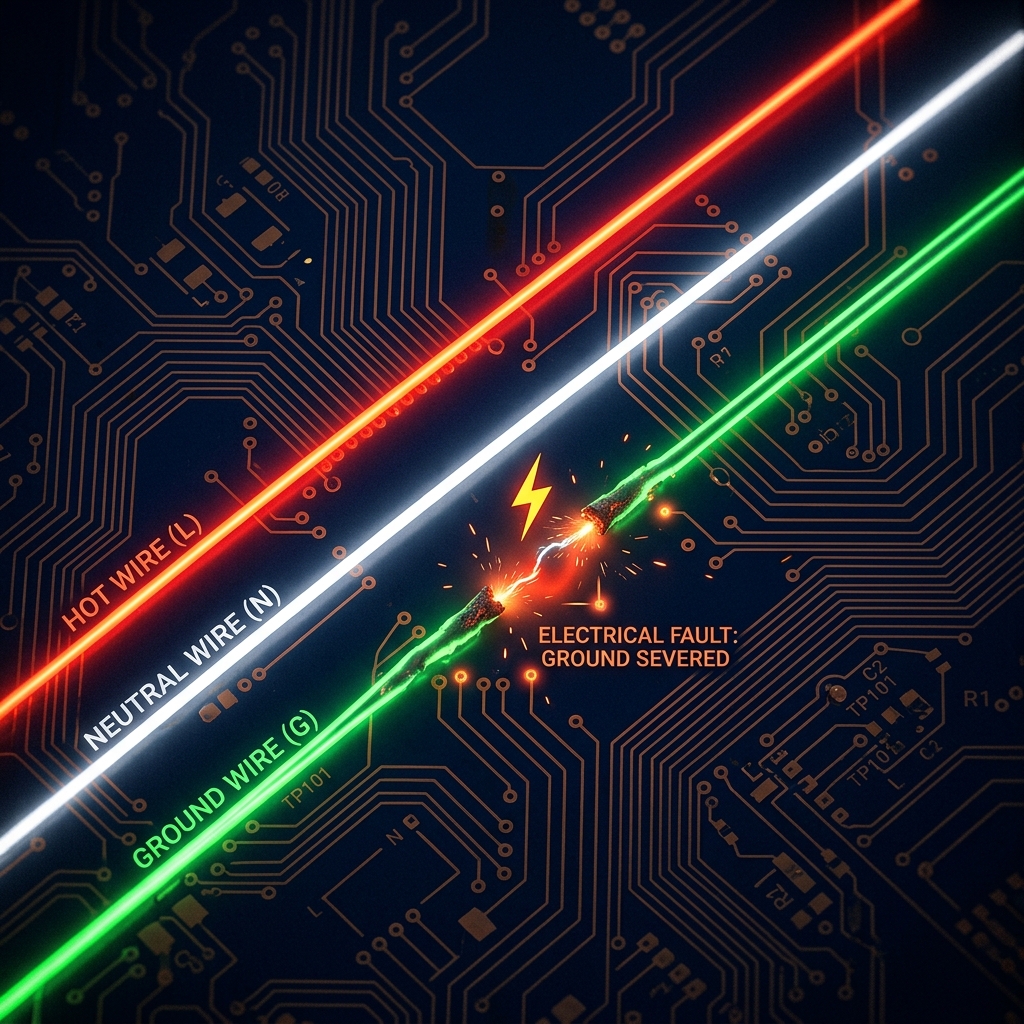
Interactive diagram showing why a floating ground conductor produces a ghost voltage between ground and neutral, and why the GFCI plug tester won't trip.
Read more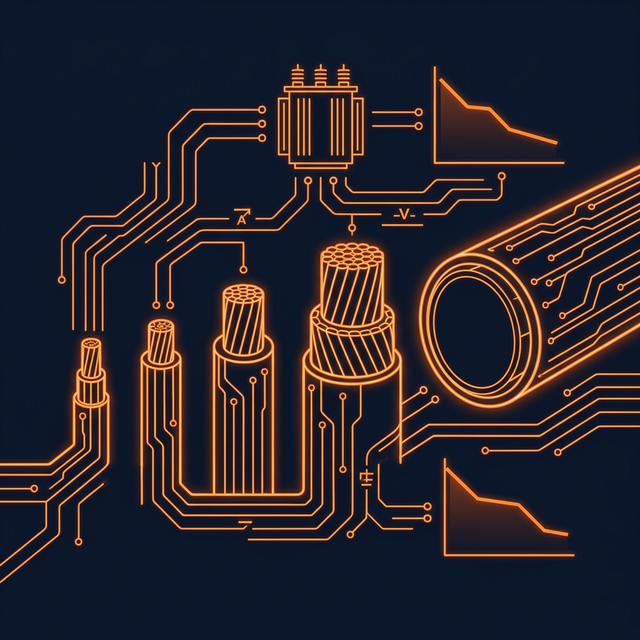
Junction and device box fill rules: conductor volumes, clamps, and device allowances.
Read more
Step-by-step Rule 8-200 demand calculations, service sizing, EV and heat pump loads for Canadian dwellings.
Read more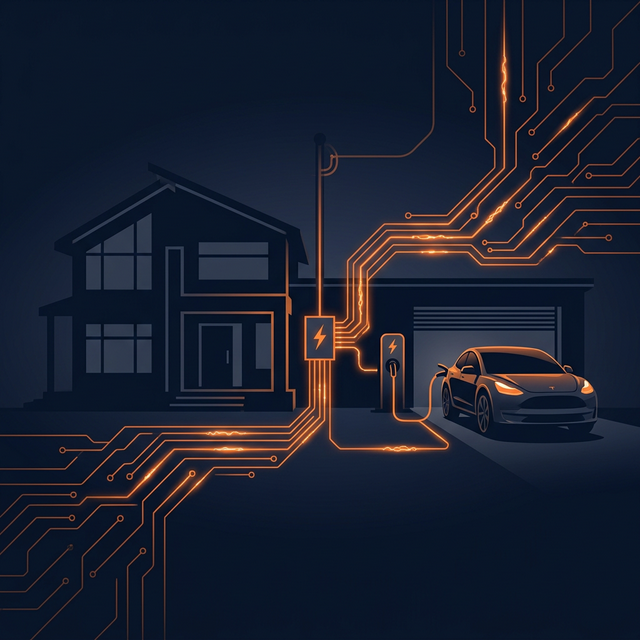
EV charging load calculations under CEC Rule 8-200, panel upgrades, and EVEMS considerations.
Read moreHow to size standby generators: essential loads, demand factors, and transfer equipment.
Read moreHeat pump and backup heat loads under the CE Code, interlocks, and service sizing for retrofits.
Read moreConductor bundling and raceway derating under CE Code Rule 4-008 for Canadian installations.
Read more100A vs 125A vs 200A vs 400A—when to upgrade residential service and how load calculations drive the decision.
Read moreHow to choose conductor size: ampacity tables, derating, voltage drop, and when to upsize wire under CE Code 2024.
Read moreFrom base table ampacity to installed ampacity with derating—and when combined voltage drop sizing matters.
Read more
Raceway fill, multi-conductor bundles, and when a conduit fill calculator saves time on EMT, PVC, AC90, and TECK-style installations.
Read moreResidential versus commercial demand, service sizing context, and how structured CE Code–style calculator workflows support Canadian contractors.
Read more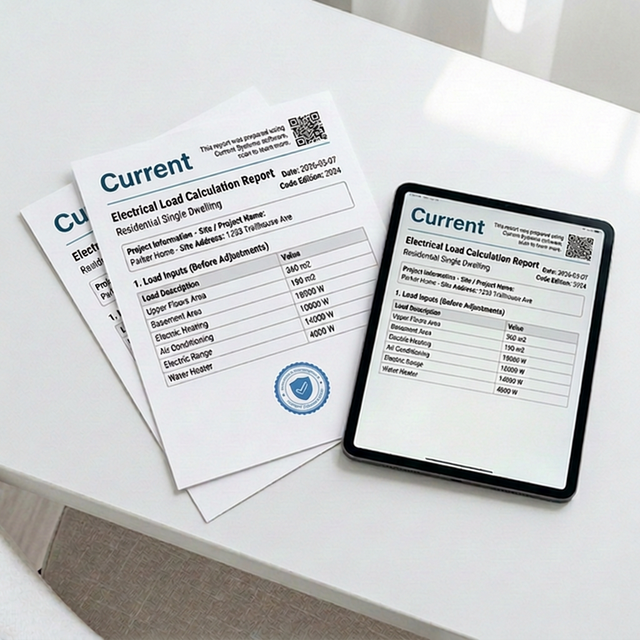
Organizing load, drop, and raceway calculations for permit packages, inspections, PDF reports, and File Center storage.
Read more
Short tap scenarios, coordination with overcurrent protection, and defensible sizing for branches from larger feeders.
Read moreFeeders, branch circuits, copper and aluminum runs, and how voltage drop tools support documentation on Canadian jobs.
Read more
Understanding how to recognize open neutral conditions, why they're dangerous, and core troubleshooting principles for ensuring a solid neutral path in 120/240-volt systems.
Read moreUnderstanding how electrification and EV adoption are changing residential electrical work, and how contractors can help homeowners make informed decisions about service capacity.
Read moreUnderstanding how load calculations work in practice, why residential demands differ from commercial demands, and the importance of proper service sizing.
Read moreUnderstanding how to plan conductor runs, check ampacity, estimate voltage drop, and size transformers and larger conductor installations.
Read more